The brief you wrote isn't the problem you have
Your brief isn't wrong. It's just answering the wrong question. New logo. Website redesign. More posts. A sleeker app. Every one of these is a perfectly reasonable request. And every one of them is a solution someone has already settled on. The catch?
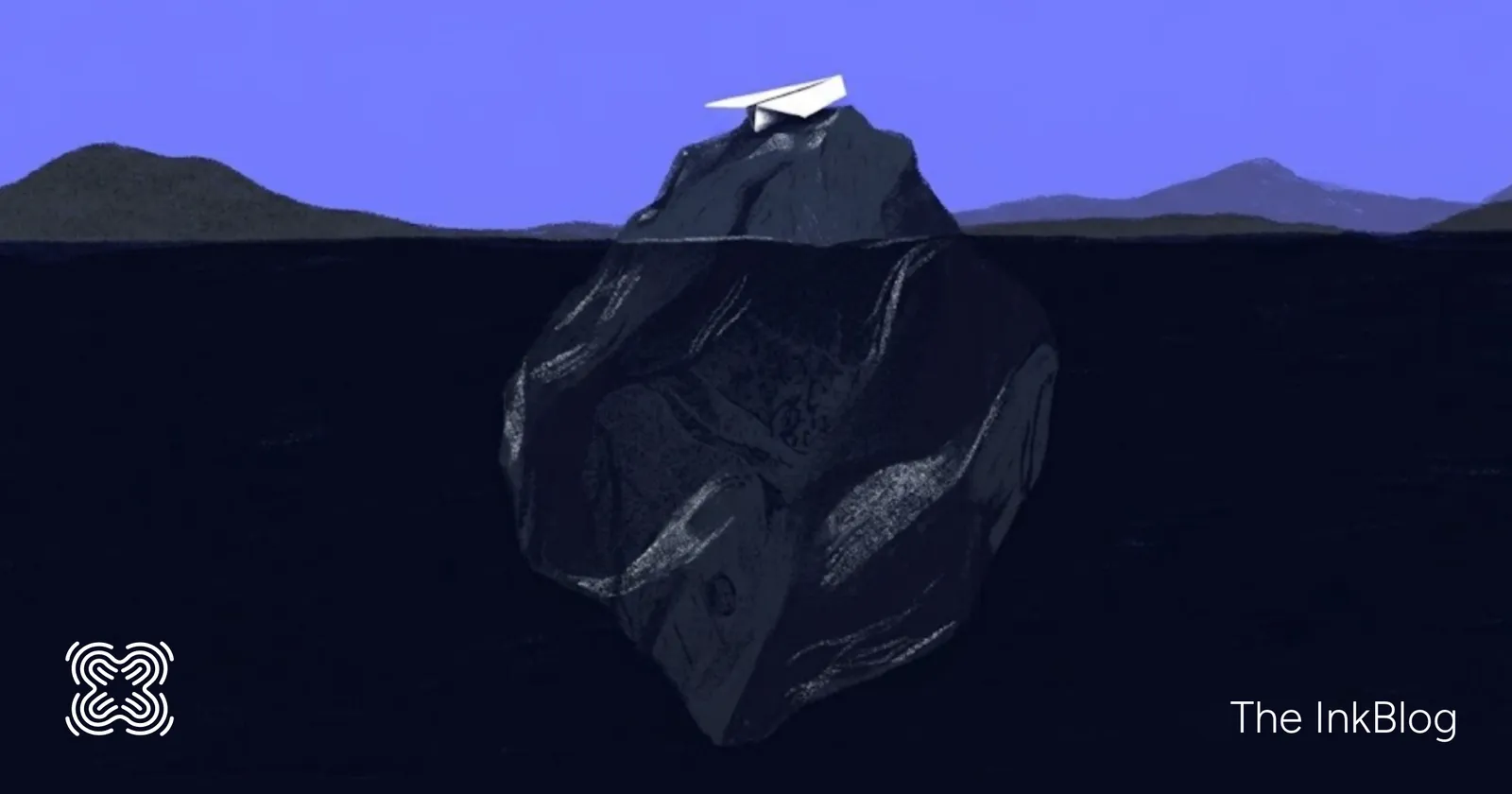
Your brief isn't wrong. It's just answering the wrong question.
New logo. Website redesign. More posts. A sleeker app. Every one of these is a perfectly reasonable request. And every one of them is a solution someone has already settled on.
The catch? A solution is only as good as the problem it solves. And the problem is almost never written in the brief.
The brief is the symptom. The problem lives underneath it.
Which is why our first job isn't to execute your brief. It's to find what's actually holding the business back, so whatever we design has a real job to do.
Why good briefs still miss
Briefs aren't badly written. They're written from the inside, by people who are close to the pain and under pressure to fix it fast. That creates a few predictable blind spots.
It names the fix, not the problem. "We need a new website" is a fix. "Qualified buyers leave before they understand what we do" is a problem. Only one of those gives a designer something to solve.
It sees what leadership sees. The people approving the work are rarely the people using it, building it or buying because of it.
It's a compromise in disguise. By the time a brief reaches an agency, it's been negotiated between departments. What survives is what everyone could agree on. Not what matters most.
It mistakes the visible layer for the whole thing. A tired logo is easy to point at. An unclear position in the market is not.
None of this is anyone's fault. It's what happens when you're inside a business. It's also why an outside view, applied before design starts, is worth more than any amount of polish applied after.
The logo was never the problem
Take a pattern we see often. A growing B2B software company asks for a new brand identity. Their logo feels dated, their sales deck looks nothing like their website, and they want to "look more premium".
A reasonable brief. Take it at face value and you get a beautiful new logo and a set of guidelines. Job done.
Except it isn't. Ask a few more questions and a different picture shows up. Sales cycles drag. Prospects keep asking for "one more call" to understand the product. The founders describe the business three different ways, depending on who's in the room. Every new hire makes their own slides.
The culprit? The business can't explain what it does in one sentence, and nothing stops the brand from drifting as the team grows.
So the brief shifts:
- Not a more premium logo. A clear position and a one-line story.
- Not a fresh look. Shorter conversations with buyers.
- Not logo + guidelines. Messaging foundations first, then an identity system the team actually uses.
The identity still gets made. It still looks great. But now it's built on a sentence the whole team can repeat. That's what makes it work.
The fix: a diagnostic reframe
The good news? Finding the real problem doesn't take a six-month discovery phase. It takes a short, focused set of conversations before anyone opens Figma.
We call it the diagnostic reframe. These are the questions we keep coming back to:
- What made you write this brief now? Something triggered it. A lost deal, a new competitor, a funding round, a frustrated team. The trigger usually points straight at the real problem.
- Who has to believe something different when this is done? Customers, investors, new hires, your own sales team? Design that tries to convince everyone convinces no one.
- What happens after handover? Who will use the brand, run the website or build from the designs? If the answer is "we're not sure", that's your brief.
- What have you already tried? Past fixes tell us which layer the problem isn't on.
- How will you know it worked? If success can't be described in plain words, the problem isn't clear yet.
Sometimes the answers confirm the brief. Sometimes they nudge it. Occasionally they turn it upside down. Either way, everyone walks into design agreeing on what we're solving. Fewer feedback rounds. Faster approvals. No expensive "actually, can we go back?" moments.
Here's the one-line test
Before you send your next brief, rewrite the first line. Swap "We need a…" for "The problem is…".
If you can finish that sentence without naming a deliverable, you're ready to brief. If you can't, you've just found where the real work starts.
A brief tells us what you want. The problem tells us what will work.
Start with the problem. The design gets better from there.

About Hilde Franzsen
Strategy-obsessed. Loves a creative moment. Always up for a shenanigan. Has (arguably) the best cat in the whole entire world.