Project Overview
Our Client
Velum (formerly MH Coaching) is a private executive coaching practice led by leadership coach Mark Holtshousen, working with board-level executives and elite athletes through pivotal career and life transitions. Operating by invitation only, the practice serves sitting C-suite executives of listed multinationals.
The Project
Business naming → brand strategy → brand identity system → visual language and tactile collateral, designed to feel like a sanctuary: invisible to the outside world, unmistakable to the few who enter.
Why This Project Mattered
Executive coaching at this tier operates on reputation, referral, and absolute discretion. There is no website. There is no social media presence. There are no public testimonials. The practice has a nine-year paid waiting list and serves clients who fly in from Germany and the UK for a single hour-long session. The brand's job isn't to attract attention. It's to quietly confirm, at every touchpoint, that the experience matches the calibre of what happens behind closed doors.
Our Approach
This wasn't a rebrand in the conventional sense. There was no "old brand" to evolve from, really, just a dated visual mark and a name that had never been formally chosen. The work was closer to a first articulation: listening carefully to a practice that had always communicated through the quality of its coaching and giving it a visual and verbal language that could carry the same weight.
Core Strategic Direction
We anchored the identity around one idea that could hold both the emotional promise and the practical reality: "A discreet sanctuary where elite leaders reset and re-emerge, by invitation, in confidence, and in mutual privilege."
Scope and Deliverables
- Brand strategy foundation: essence, values, positioning, audience architecture, voice principles, and strategic guardrails.
- Business naming: research, narrative development, and final recommendation.
- Identity system: wordmark, icon, constellation motif, colour system, typography, and brand guidelines.
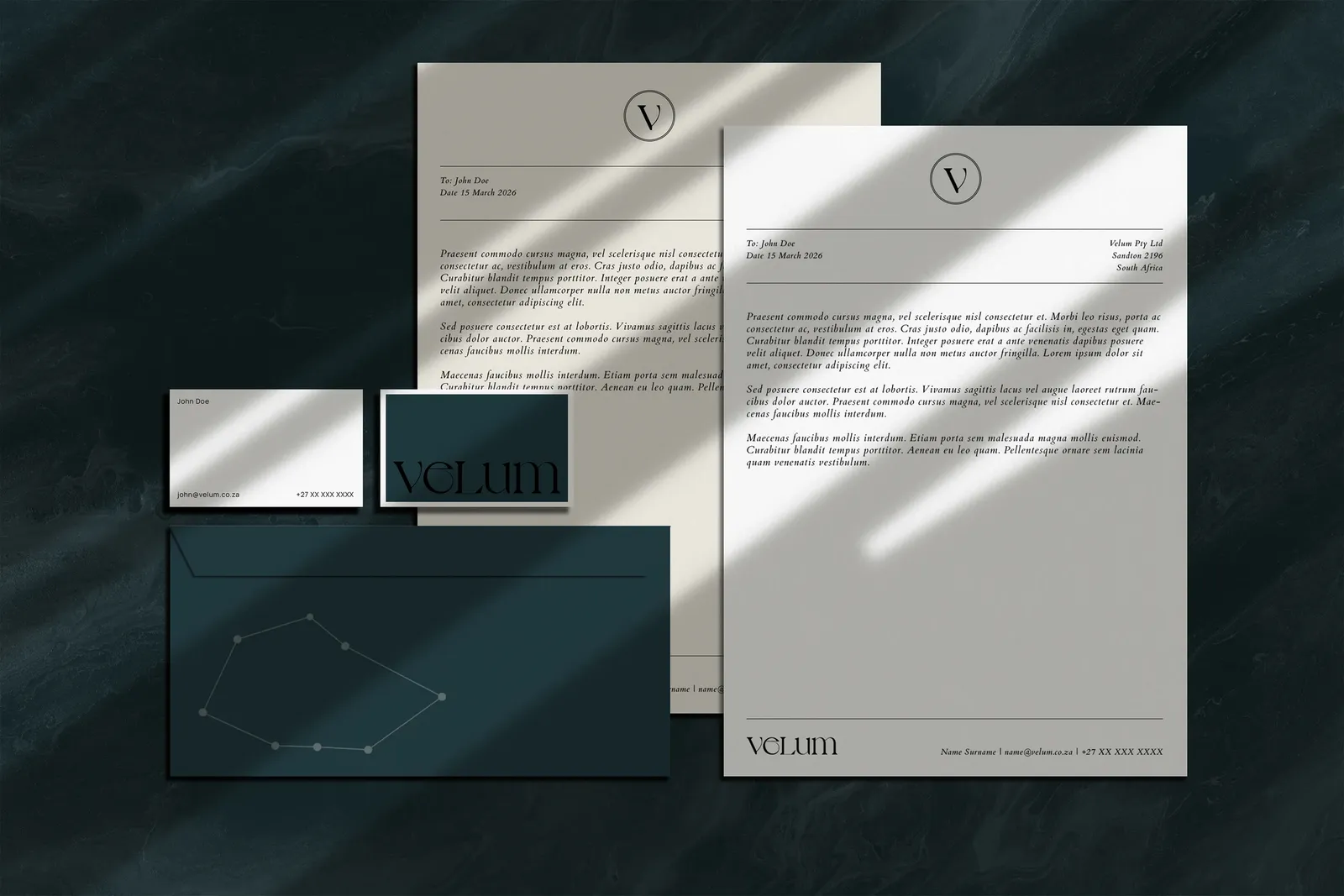
- Tactile collateral direction: business card, branded folder, and stationery principles.
The Velum Story
A Practice Built on Invisibility
Mark Holtshousen has spent over two decades coaching at the very top of corporate South Africa and beyond. The practice operates on a single principle Mark describes as "mutual privilege": the coaching relationship is a peer-level exchange, not a service transaction.
If a potential client has to ask the price, they're probably not the right fit. If the company wants to run it through procurement, it's the wrong arrangement. Clients pay personally, from their own accounts. They contact Mark directly. And the practice stays hidden on purpose.
Where Coaching Meets Neuroscience
What distinguishes the practice methodologically is its foundation in neuroscience and psychology, not the franchised frameworks and personality assessments that dominate the executive coaching industry. Mark's approach, which he describes as "Leadership Interrupted", centres on the premise that the most powerful interventions happen in moments of interruption: the pause before a career-defining decision, the recalibration after a board transition, and the stillness that precedes a strategic pivot. His sessions draw on neuroscience, psychoneuroimmunology, and construct theory to create behavioural shifts that land within hours, not months.

Physical presence is non-negotiable. Every session happens face-to-face because the neuroscience of trust-building, the role of oxytocin and physical proximity can't be replicated on a screen. Clients commit three hours of their diary for a one-hour session: travel in, the session itself, and travel back. For executives whose time is managed by two or three assistants and secured by protocol teams, that's a significant act of investment.
The Brief
What We Were Asked to Do
Mark came to us at a specific moment. He was returning to the private practice full-time, and there was an expectation, quiet but real, that the practice would re-emerge with renewed intention.
The immediate asks were practical: a new name (because "MH Coaching" had never been a real brand), a visual identity that communicated the right things, and a sense that the experience around the coaching had been thoughtfully reconsidered.
What Was Actually at Stake
For most brand projects, the risk of getting it wrong is that the market doesn't respond. For Velum, the risk was different. Get it wrong, and you break the mystique that the practice depends on.
This is a brand that can never be "launched" in the traditional sense. It can't be splashed across social media. It can't be optimised for search. It can't use testimonials. The entire referral network operates on word-of-mouth, whispered recommendations from one C-suite peer to another. A brand that looked like it was trying too hard, that felt like a hotel chain or a consulting firm or a premium wine label, would signal exactly the wrong thing.
What Had to Be True
We defined a set of constraints early, guardrails that would govern every decision from naming through to paper stock:
- Invisible by design: The brand should be felt by those inside the practice and essentially undetectable to anyone outside it. No indexable website. No public-facing marketing. No social proof.
- Time as the luxury metric: Every touchpoint must save the client time, not cost it. Friction removed is respect shown.
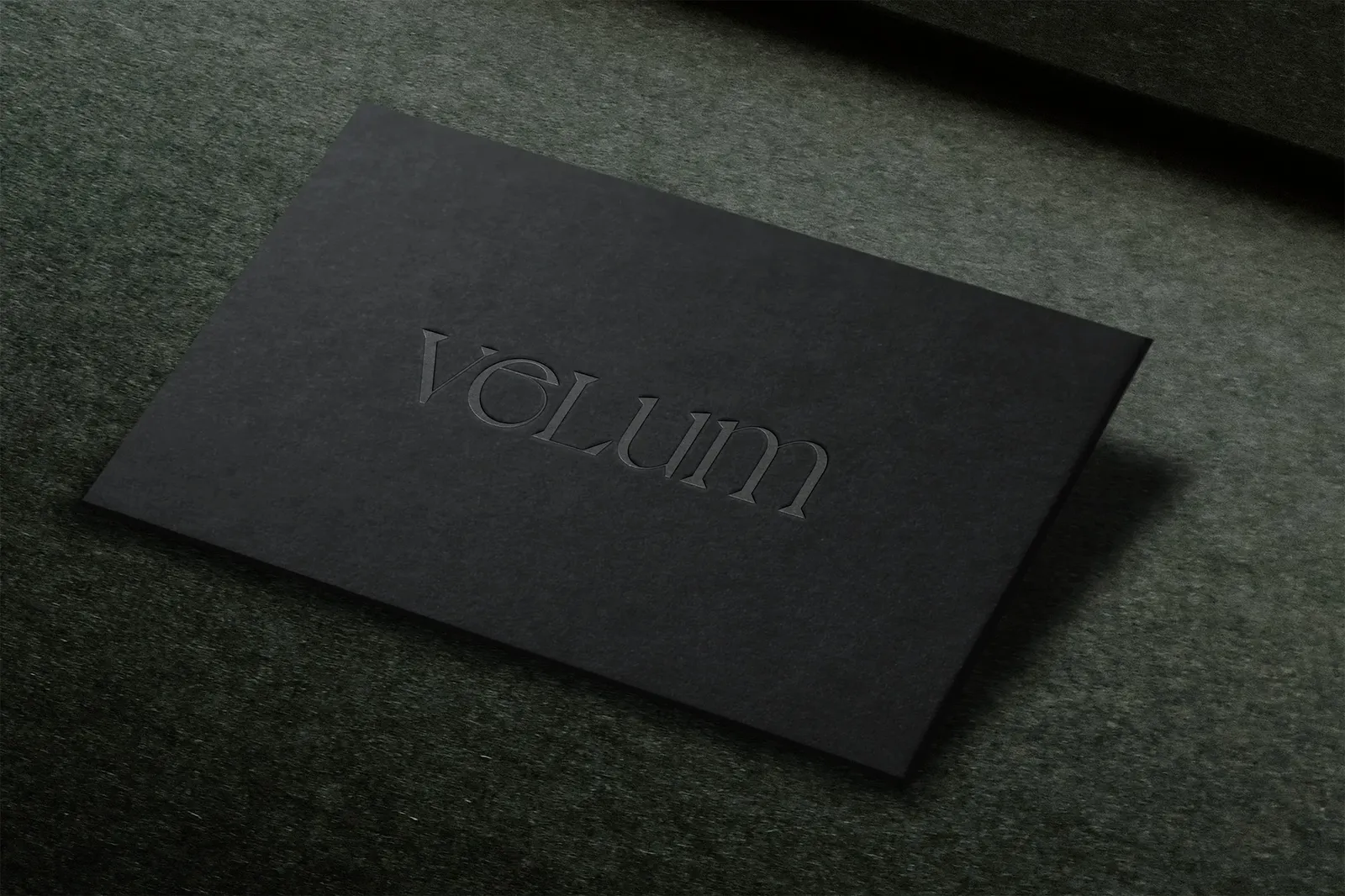
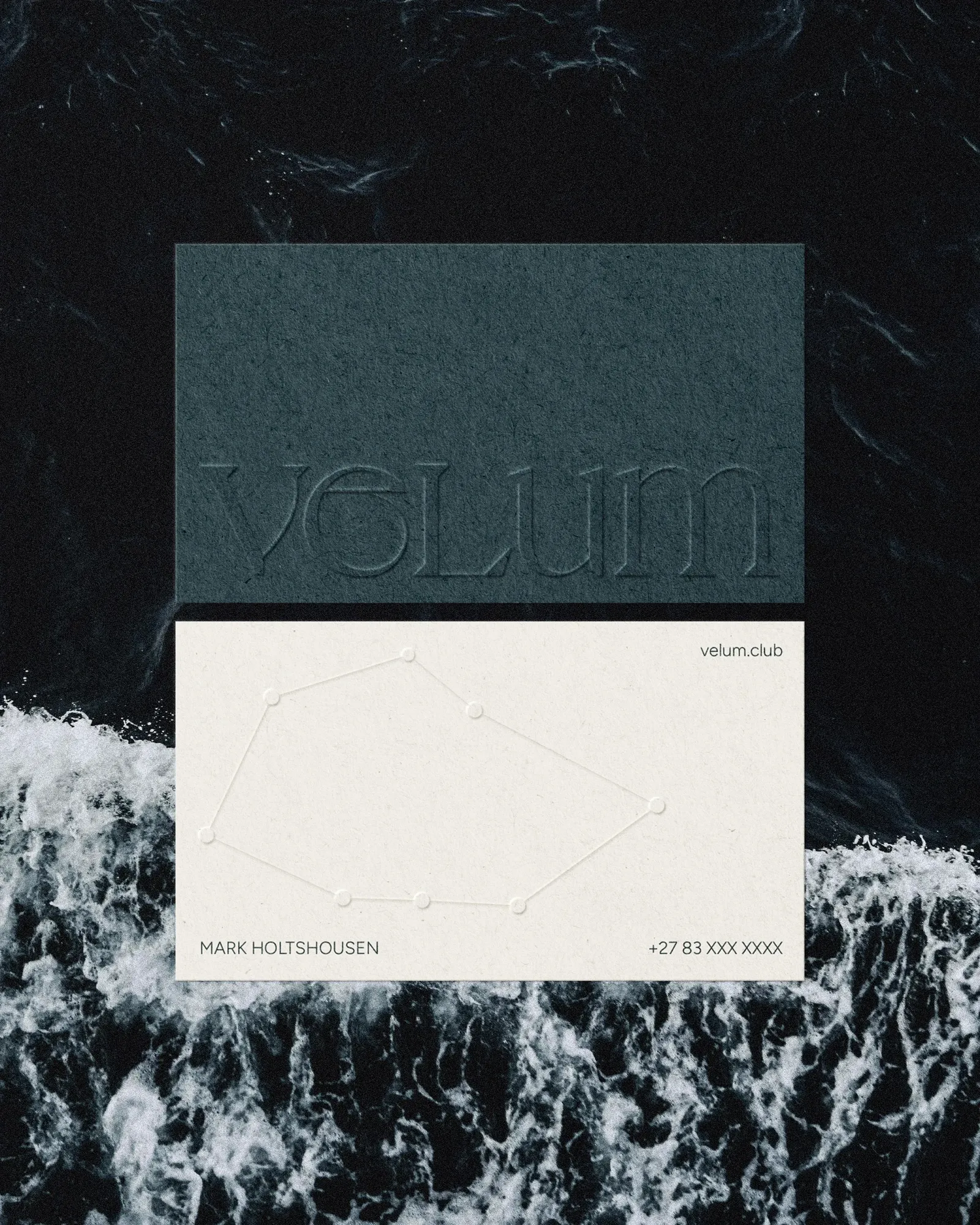
- Texture over spectacle: Luxury for this audience isn't gold foil and glossy finishes. It's the weight of the paper, the depth of the emboss, and the thing you feel before you see.
- Peer tone, always: Nothing should read as a sales pitch, a service offering, or a vendor relationship. The language must treat the client as an equal.
- Congruence above all: The only real brief: make every surface match the substance.
Our Goal
To build a strategic and visual foundation that would let the practice re-emerge without breaking its defining quality: its invisibility. A brand that protects the conversation and powers the journey.
Discovery and Insight
Why Discovery Mattered Here
Most brand projects start with competitive research and market positioning. This one couldn't, because there's essentially no market to position against. In South Africa, only three or four coaches operate at this level, and they all function privately. There are no public competitors to benchmark. No category conventions to subvert or follow.
Instead, discovery was entirely relational. It was about listening to Mark describe the practice, the clients, and the experience he wanted them to have and then translating those instincts into strategic language precise enough to design from.
How We Listened
A single extended conversation replaced the typical workshop format. Mark talked. We followed the threads. What emerged wasn't a brief in the traditional sense but rather a richly detailed picture of a world most people never see.
We learned that Mark's clients don't want to arrive early for coffee. They don't want gifting. They don't want to mingle. They want to get in, experience something transformative, and get out. The "bubble of excellence" Mark described isn't an aspiration. It's how these people already navigate the world: cushioned from friction, shielded from delay. The brand's job is to feel like a seamless extension of that bubble.
Key Insights
Insight 1: Luxury for this audience is subtraction, not addition.
Most luxury branding adds richer materials, more elaborate experiences, and grander gestures. For Velum's clients, luxury is the opposite. It's the email you don't have to send. The form you don't have to fill in. The PA call that becomes unnecessary. Every friction point removed is more valuable than any embellishment added.
Insight 2: The brand isn't marketing the practice. It's completing it.
Mark was explicit: "We are not wanting to upscale or grow the business." The brand's role isn't lead generation. It's reassurance and refinement. It exists to close the credibility gap between extraordinary coaching and ordinary touchpoints, so that clients can feel the same intentionality in an invoice as they feel in a session.
Insight 3: The experience of arriving matters as much as the session itself.
Mark's description of how clients move through Johannesburg, a city he described candidly as difficult, revealed something important: the entire journey to a session is part of the experience. Dedicated parking spaces outside the venue. Pre-cleared security lists. A curated environment where clients walk through a gallery before entering the room. The brand needed to encode the same thoughtfulness at every scale, from the physical space down to an email domain.
Insight 4: "One of these is not like the others."
Mark described his client's monthly obligations: the dentist, the doctor, the hairdresser, three dinners, school runs. And then the coaching session. He wanted the coaching session to be the one that felt different. Not different because it was complicated or grand, but different because every communication was crisp, every interaction was effortless, and the whole thing carried a quiet sense of "Someone has thought about this."
Strategic Direction
The Organising Idea: Sanctuary That Accelerates
Every design decision, from the name through to the paper stock, needed to pass one test: does this deepen the sense of sanctuary, or does it accelerate the leader's trajectory? If it does neither, it doesn't ship.
This dual-axis principle emerged directly from the discovery. Mark's practice promises two things simultaneously: a protected space where leaders can speak without filters (the sanctuary) and a methodology that converts insight into decisive forward momentum (the acceleration). The brand needed to hold both at once.
Brand Essence
"A discreet sanctuary where elite leaders reset and re-emerge, by invitation, in confidence, and in mutual privilege."
This sentence became the filter for everything. No touchpoint gets approved unless it reinforces the sense of sanctuary or accelerates the leader's trajectory.
Personality and Voice
We defined four traits that govern how Velum speaks and behaves:
- Sage. Evidence, not opinion. Neuroscience over pop-psychology.
- Uncompromising. "Less, better." Ruthless editing as a gesture of respect for the client's time.
- Under-the-radar. Presence felt, not advertised. Unindexed sites, blind emboss, whispered signals.
- Warm. Peer-level empathy, never corporate aloofness.
The tone mantra: "Fewer words, lower volume, absolute clarity."
Values Code
Six values form the behavioural compass for every client interaction:
- Privileged Discretion: The sanctity of the conversation is non-negotiable and by invitation only.
- Rigorous Insight: Every recommendation is anchored in proven neuroscience, psychology, and leadership research.
- Quiet Mastery: Excellence speaks in understatement. Craft, not spectacle.
- Mutual Elevation: Coach and leader meet as peers. Progress is a shared privilege.
- Poised Momentum: Stillness first, then decisive forward motion, like a sail catching wind.
- Integrity of Service: Do the right thing, especially when unseen.
Audience Architecture
Primary: Sitting C-suite executives, and business-unit presidents of listed multinationals, global family offices, and fast-growing African or Middle-Eastern champions. Age 45 to 60. Privacy-obsessed, security-layered diaries. They've already had three or four coaches. They read McKinsey Quarterly on flights and drop anything that smells like pop-psych.
Secondary: Post-exit chairs, venture partners, and ex-founders seeking a "maintenance dock" for strategic clarity as they transition from operator to mentor-investor roles.
Positioning Statement
For time-scarce C-suite and board-level leaders facing pivotal transition, Velum is an invitation-only executive coaching sanctuary that shields high-stakes conversations and converts neuroscience-grounded insight into decisive forward momentum, delivering breakthroughs with unmatched discretion and peer-level rigour.
Strategic Guardrails
These five decision lenses now vet every touchpoint:
- Visibility: Pass if only invited eyes can access it. Fail if Google can index it.
- Time respect: Pass if it takes three clicks or fewer and under three minutes. Fail if it involves forms, passwords, or back-and-forth.
- Texture first: Pass if luxury is felt through paper and material, not colour. Fail if it relies on glossy finishes or branded swag.
- Narrative coherence: Pass if it reinforces the veil, the sail, or the southern-sky motif. Fail if it defaults to generic leadership language.
- Peer tone: Pass if it treats the client as an equal. Fail if it sounds like a pitch.
The Name
Finding a Word That Could Hold It All
The naming challenge was unusual. Most naming projects seek distinctiveness in a crowded market. This one needed a word that could carry intimacy and warmth while simultaneously communicating privacy and exclusivity. It couldn't feel corporate. It couldn't feel hollow. And it needed to work for a practice that had always been referred to simply by the founder's name.
Mark told us the only word that had ever resonated with him was "privilege." But a name built on privilege alone risked sounding exclusive in the wrong way, exclusive as gatekeeping rather than exclusive as something earned and mutual.

Velum
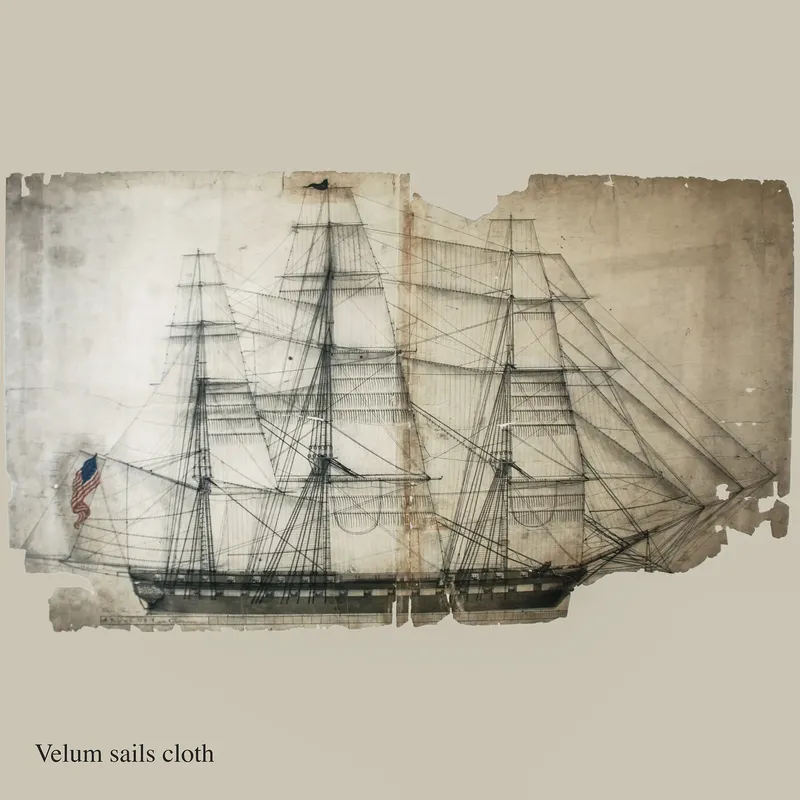
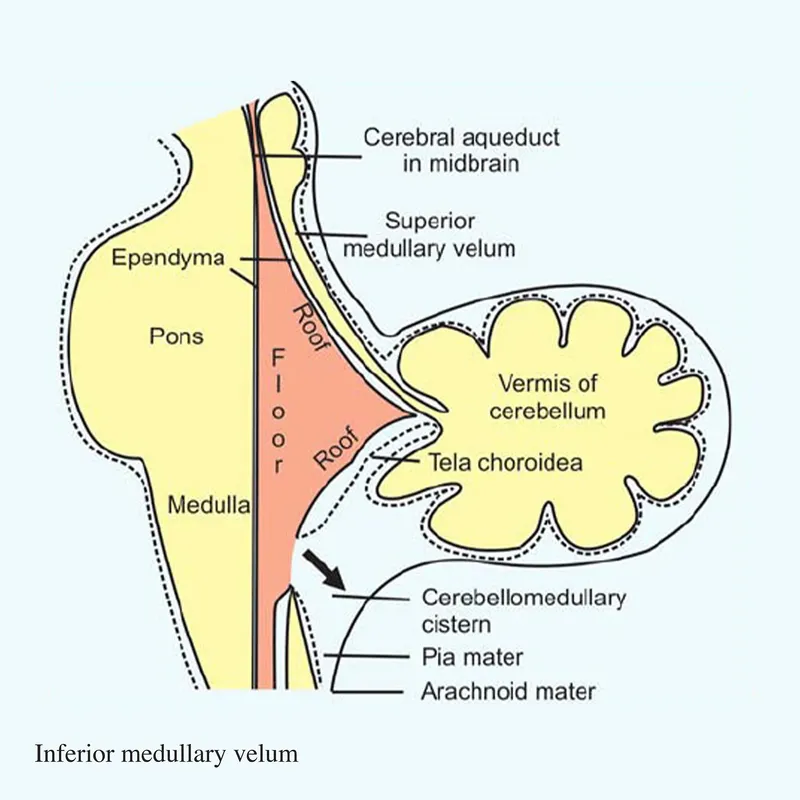
The answer came from Latin. Velum (pronounced "veeloom") carries three distinct meanings, each one mapping directly to a dimension of the practice:
- Veil: A protective covering that shields from glare and intrusion. Mark's sessions form a sanctuary of absolute discretion where leaders can speak without filters.
- Sail: A sheet of fabric that harnesses invisible currents to move a vessel forward. His neuroscience-based questions harness intangible forces, mindset, identity, and meaning to move leaders through transitions.
- Brain membrane: In neuroscience, the superior and inferior velum are thin brain membranes that coordinate balance and precise articulation. Mark helps clients re-articulate who they are and regain equilibrium in volatile contexts.
Across all three senses, velum is a fine, almost weightless layer that both protects and propels. The name compresses the practice's dual promise into four syllables.
The Constellation Layer

The word also opened an unexpected narrative door. Vela is a constellation in the southern sky, Latin for "the sails". It was once part of Argo Navis, the ship that carried Jason and the Argonauts on their mythic quest, a voyage defined by courage during transition. The constellation was later divided into three parts: Carina (the keel), Puppis (the stern), and Vela (the sails).
This gave us a rich but restrained mythos to work with. The practice becomes the sail in a leader's broader support structure. The southern-sky heritage nods to Mark's South African base. The Argonaut narrative aligns with guiding leaders through inflection points. And Gamma Velorum, the brightest star in the constellation, is known for its fierce stellar winds, a natural metaphor for channelling raw, high-energy forces into forward motion before they erupt into crisis.
Critically, the constellation connection provides a visual motif (the Vela star chart) and a set of language seeds ("harness the wind," "trim the sail," "navigate the silence," "southern sky thinking") without ever turning the brand into astronomy kitsch. It's a layer that reveals itself to those who learn the backstory, which is exactly how the practice itself operates.
Mark's Response
When we presented the name, Mark's reaction was immediate:
"It feels a little bit ethereal, which I like. But then when you dig into the meaning, it ticks all the boxes."
Visual Direction
Mood and Principle
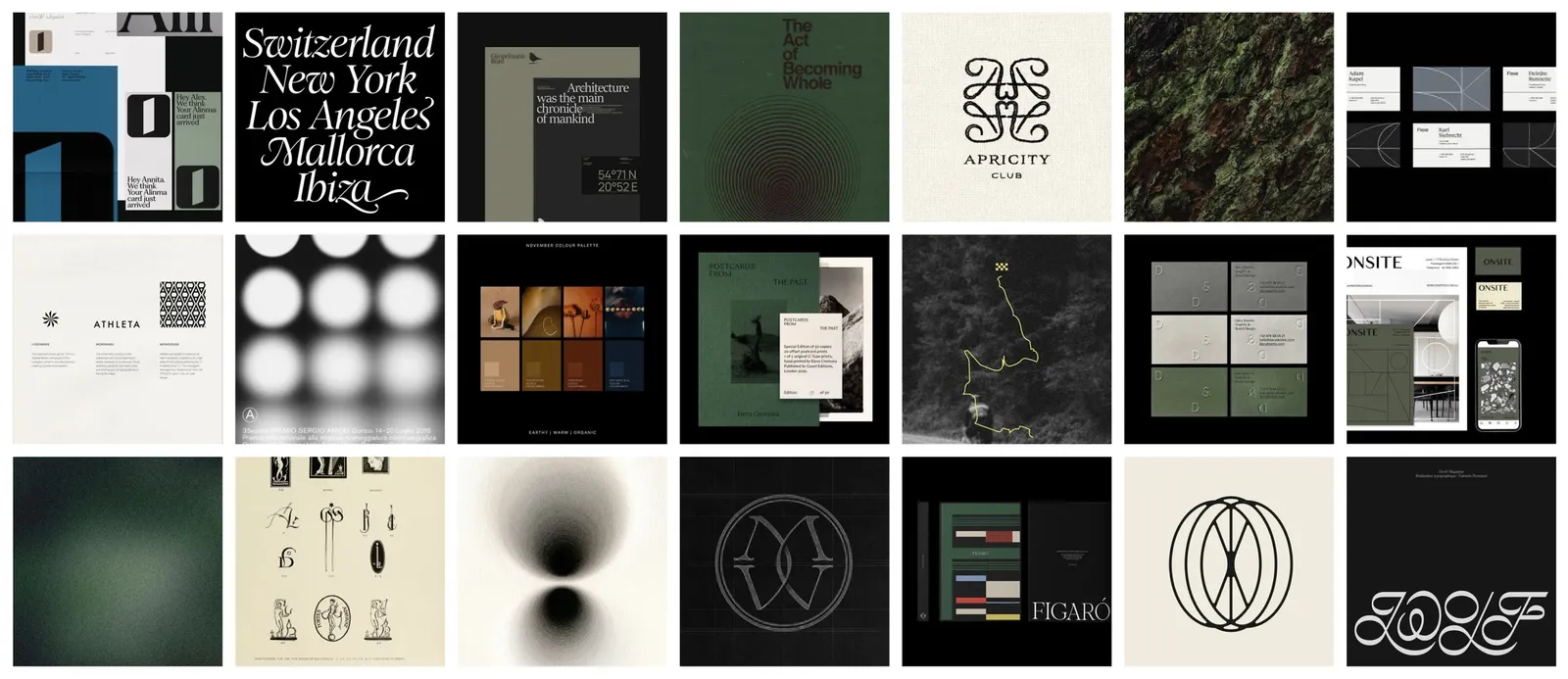
The visual direction had to embody a specific tension: secretive yet inviting. Mark used those exact words during the brand presentation, and they became a creative compass.
We established a mood built on big, slow-breathing letterforms that create a sense of calm authority. Subtle textures and grain that reinforce the veil concept: layers you sense more than you see. Earth-meets-cosmos imagery as a visual metaphor for harnessing invisible currents. And geometric, cartographic cues that nod to navigation, trimming the sail, and charting the course.
The visual principles we set:
- The brand must feel secretive yet inviting: not a hotel. Not a wine label. Not a law firm. Not a consulting brand. Something that sits in its own category entirely.
- Texture is critical: tactile rather than visual. The emboss you feel under your thumb. The weight of the paper. The grain of the stock. Mark returned to this word repeatedly: texture, texture, texture.
- Presence felt, not advertised: the logo whispers. The constellation winks. The colour palette murmurs. Nothing shouts.
The Identity System
Primary Wordmark
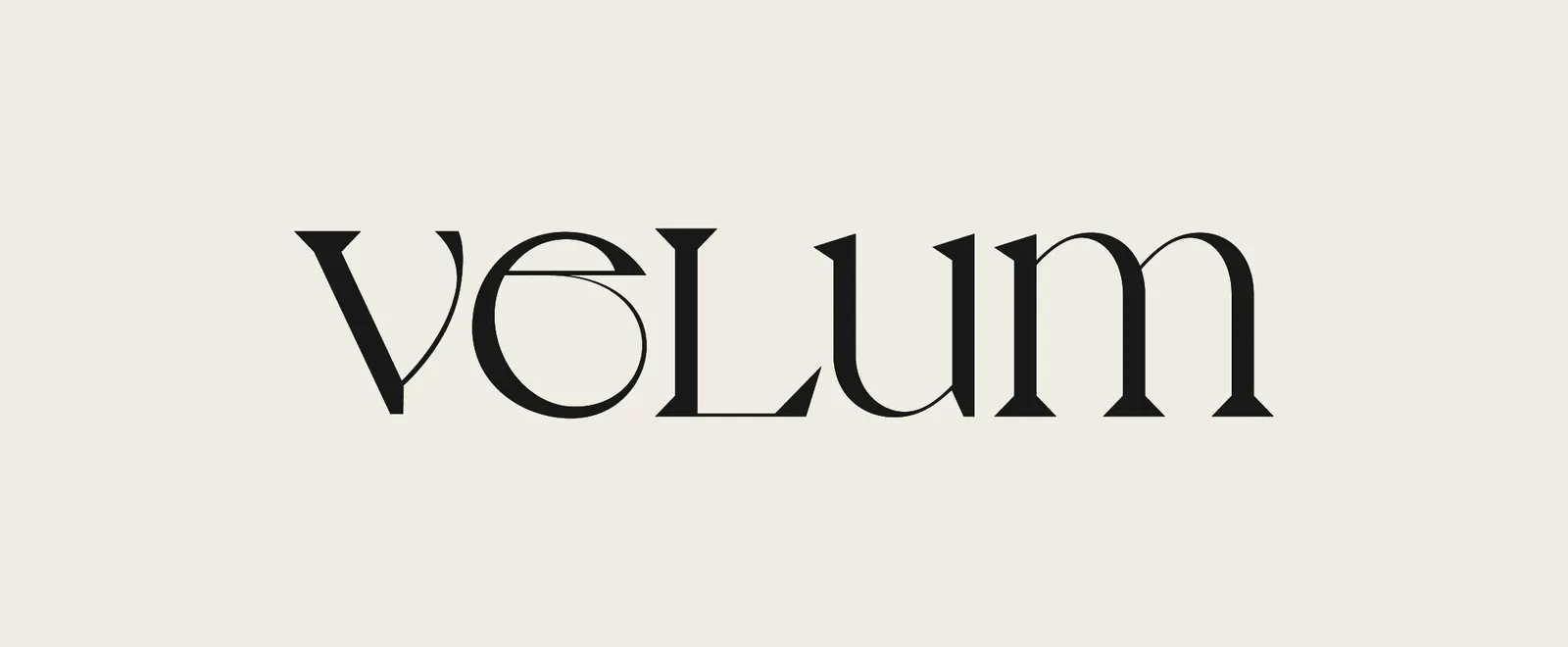
The Velum wordmark is a high-contrast modern serif whose poised hairlines and sculpted, weighty stems evoke both classical refinement and contemporary precision. Each letter finishes in crisp, outward-flaring terminals that subtly echo the tips of a billowing sail, while the elongated crossbar of the E sweeps across and into the bowl like a curtain being drawn, encoding the twin metaphors of protection and propulsion.
The result is an elegant, recognisable signature that will age gracefully while embodying the promise to shield high-stakes conversations and harness unseen forces to move leaders forward.
Icon
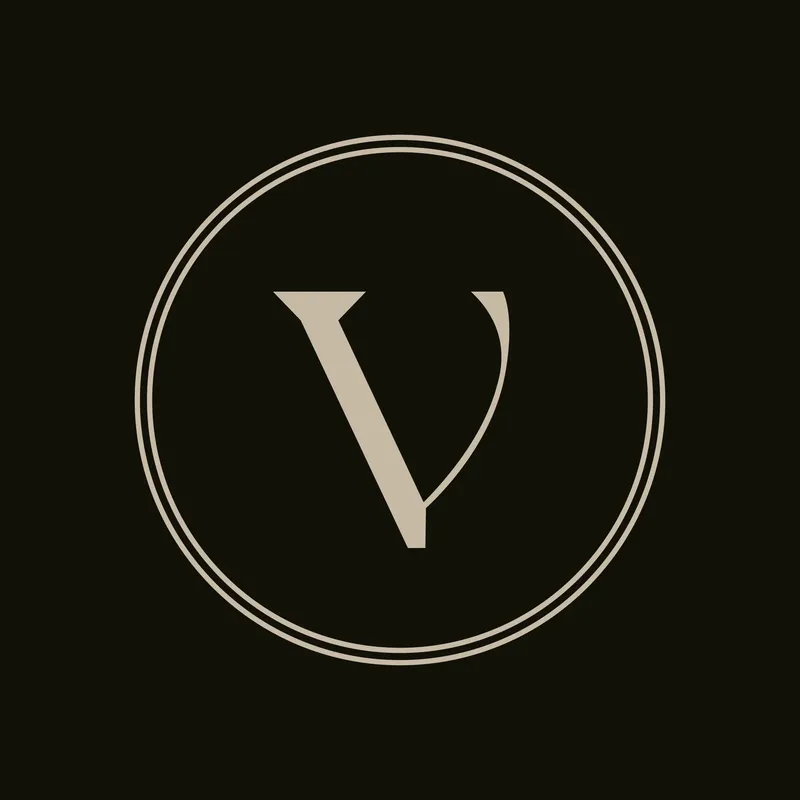


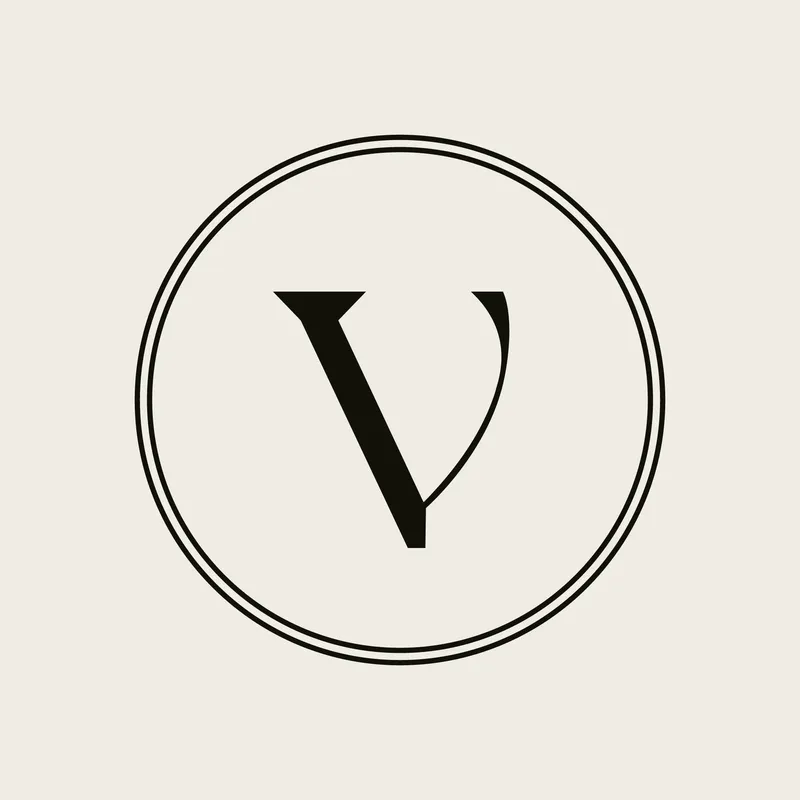
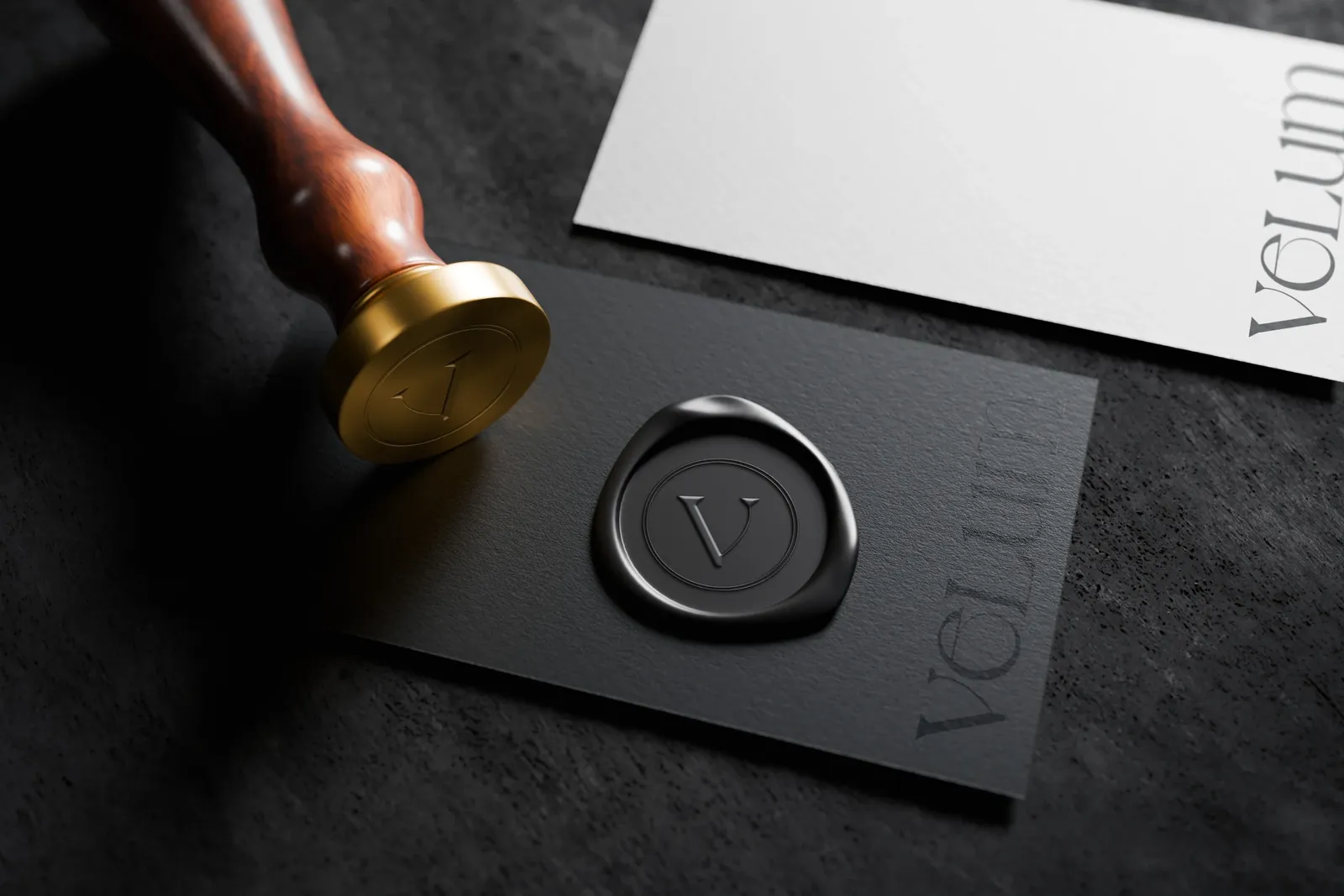
The Velum icon distils the wordmark into a poised, single-letter V whose flared tips echo a taut sail catching wind while the inward curve suggests the draw of a protective veil. Encasing the monogram in a fine double ring turns it into a discreet hallmark, reminiscent of a compass bezel or wax seal.
This landed with particular resonance because Mark's practice had already been using actual wax watermarks on invitations and special communications for years. The icon felt like a formalisation of something that already existed in the practice's DNA, not an imposition from outside.
Vela Constellation Motif
The pared-back star scheme depicts the constellation Vela: simple dots and connecting lines, as restrained as the core identity. It signifies navigation by the night sky, finding direction in darkness through unseen forces.

What we hadn't anticipated was how deeply this particular element would resonate with Mark beyond the astronomical reference. He immediately connected the "dot-and-line" visual to construct theory, a branch of psychology he draws heavily on in his practice, and to the way leaders are naturally drawn to strategy and connecting dots. The constellation motif gained an additional layer of meaning we hadn't designed for, which felt like confirmation that the visual language was genuinely aligned with the world it was entering.
Colour and Typography
Colour Palette
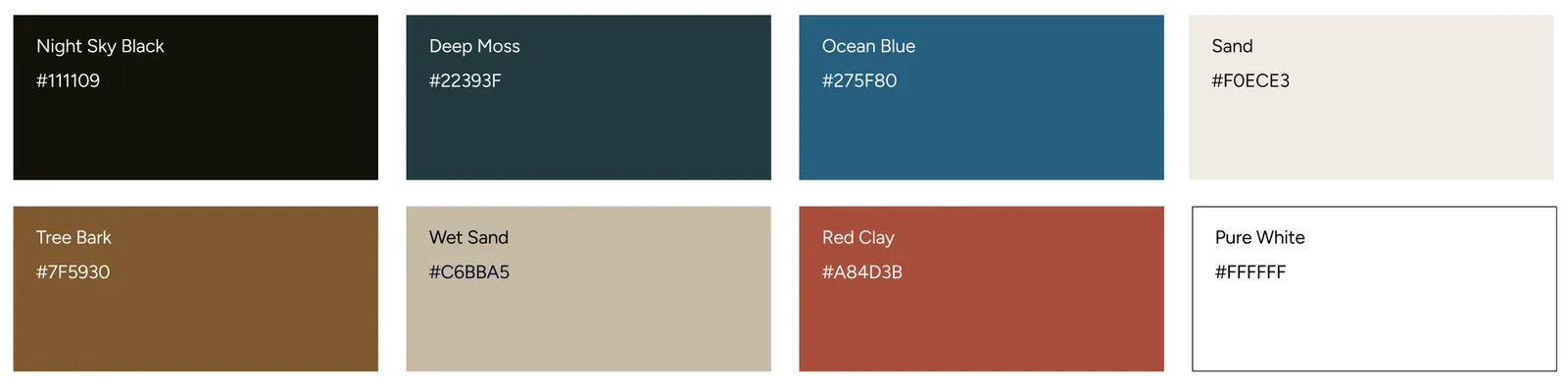
The palette needed to do something specific: carry the weight of secrecy and calm while providing enough tonal range for both functional digital interfaces and premium tactile print applications. Each colour was chosen not for aesthetic preference but for narrative duty.
Night Sky Black (#111109): The anchoring tone. Deep, near-velvet black that suggests closed doors, confidentiality, and the hush of a private cabin. It carries the brand's secrecy and calm.
Deep Moss (#22393F): A blue-green shadow that feels like harbour water against a hull, or the interior of a members' club at dusk. It introduces depth and introspection. This was the colour that surprised Mark most. "I would have never come up with the moss," he said, "but I love it. It's warm, but it's got an element of exclusivity and prestige to it that isn't in your face."
Sand (#F0ECE3) and Wet Sand (#C6BBA5): Pale, airy neutrals that feel like moonlight on canvas or dry sand at first light. They create breathing space and keep even dense information feeling calm and unhurried.
Ocean Blue (#275F80): Clear, open water under a night sky. This is the sail-current of the palette, used where Velum signals momentum or emphasis without raising its voice.
Tree Bark (#7F5930): Warm brown reminiscent of burnished timber and library shelves. Heritage and tactility.
Red Clay (#A84D3B): A refined brick tone echoing sealing wax, clay tiles, and aged leather. The brand's quiet spark of formality. Reserved for emphasis so it always feels intentional rather than decorative.
Pure White (#FFFFFF): Unmarked space. Clarity, pause, and reflection. The silent partner in the system.
What's worth noting is that Mark's previous identity, designed by the late jeweller Jenna Clifford, used burgundy and beige. Those warm, heritage tones now live on as subtle accents within the new palette rather than leading it. It's an evolution, not a rejection: the emotional warmth is preserved, but the overall direction has shifted from "distinguished club" to "starlit harbour".
Typography
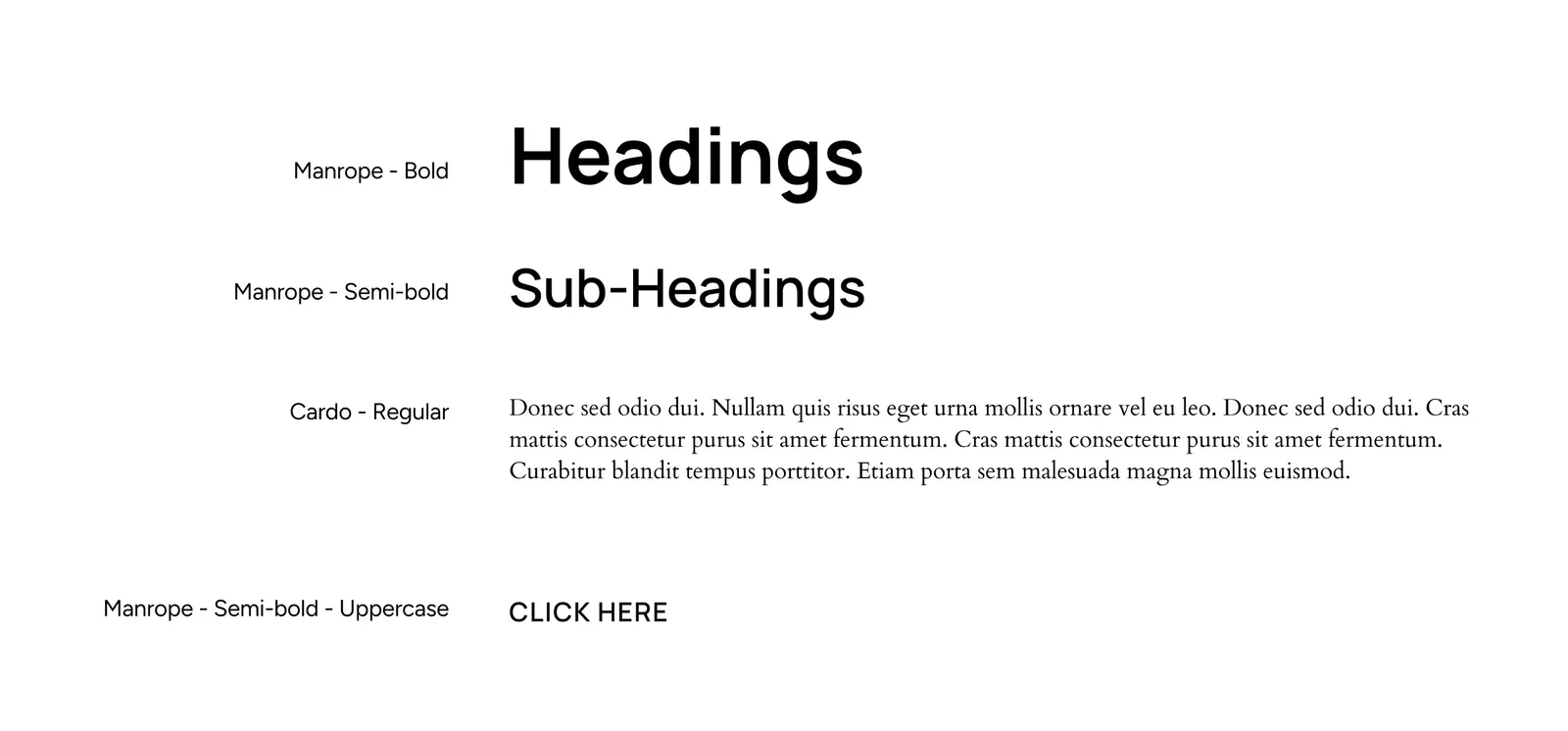
Velum's type system pairs a contemporary sans serif with a classic serif to create a calm, assured voice.
Manrope (bold for headings, semi-bold for subheadings and labels, semi-bold uppercase for calls to action) brings clarity, structure, and a modern, highly legible presence across digital and print.
Cardo (regular weight for body text) introduces a literary, more reflective note suited to considered reading, reinforcing the brand's depth and intellect.
The pairing works because it mirrors the practice itself: contemporary precision in how things are structured, classical depth in how things are expressed.
Outcomes and Reflection
The Congruence Test
The most meaningful outcome of this project isn't a metric. It's congruence. The gap between Mark's world-class coaching and the surfaces around it has been closed. Every touchpoint, from an invoice to a business card to the wordmark on a diagnostic folder, now speaks the same language as what happens inside the room.
When Mark first saw the complete identity, his response was, 'It feels almost secretive, which is what I want. It doesn't look like a hotel brand. It doesn't look like a consulting firm brand. It looks absolutely unique and spot-on. " And then, "This represents me. It's not a joint venture. It's not something external. It's something very close to me. And I think you've done it."
What This Project Taught Us
1) The most powerful creative constraint was "Who will never see this?"
Every brand project defines its audience. This one was equally defined by who it excludes. The identity needed to be invisible to the general public and unmistakable to the three dozen people who encounter it. That constraint sharpened every decision. If it could comfortably sit on a luxury-hotel shelf, we toned it down. If it could be found by a search engine, we reconsidered.
2) Subtraction is a design discipline, not just a principle.
We said it early, and it proved true throughout: every decisive improvement came from removing something. Emails removed from the booking flow. Colours removed from the palette. Gloss removed from the paper. Noise removed from the layout. It sounds simple, but designing by subtraction requires more confidence than designing by addition. You have to trust that what remains is enough.
3) When the strategy is right, the client doesn't need to critique.
Mark told us after the first brand presentation: "My lack of critique is not from a lack of trying to be critical. It's because it lands. It's landing perfectly." That wasn't passive approval. It was recognition. He saw his practice reflected back at him with a precision that made further iteration unnecessary. That kind of response only happens when the strategic foundations are so tightly aligned with the client's reality that the visual work feels inevitable rather than surprising.
4) Some brands are completed, not launched.
Velum will never have a launch event, a social media reveal, or a press announcement. It will be introduced to existing clients through hand-delivered, personally branded communications. It will appear on invoices, on email signatures, and on diagnostic folders. It will be felt through paper stock and seen in the quiet confidence of a wordmark that doesn't need to explain itself. The brand doesn't announce its arrival. It simply becomes present.
5) A name can do extraordinary strategic work when it's derived, not decorated.
Velum isn't a creative flourish bolted onto a strategy. It's the strategy compressed into a single word. Every layer of meaning (veil, sail, brain membrane, and southern constellation) maps directly to a dimension of the practice. That density is what makes the name sticky and what gives the visual system its narrative depth. The constellation motif, the sailing metaphors, the colour names – they all flow from four syllables.
Closing Reflection
This project reinforced something we believe but don't always get to prove so clearly: the most important design decision is choosing what to solve. Mark didn't need a louder brand. He needed a quieter one, one that worked harder through subtlety, texture, and strategic restraint. The most premium thing we could build was a system so precisely calibrated to its audience that it becomes invisible to everyone else.
Velum protects the conversation and powers the journey. Everything we designed, words, visuals, and paper, was in service of those two verbs.